From adventure camping to luxury lodges — every safari is expert-guided and tailored to you.
Three ways to explore Tanzania's wilderness, all with the same expert guides and trusted service since 1997.
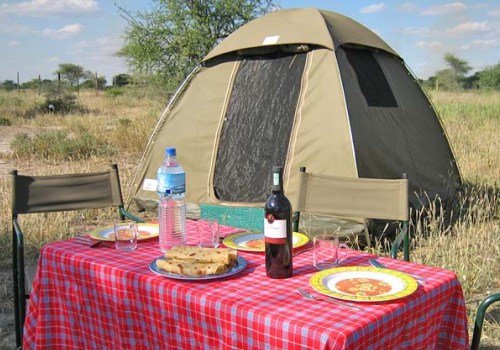
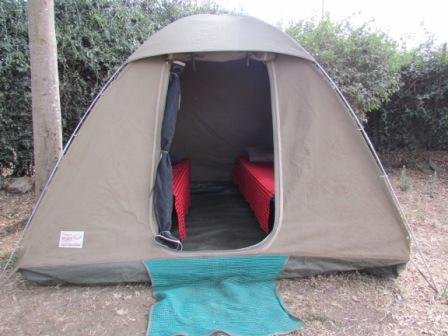
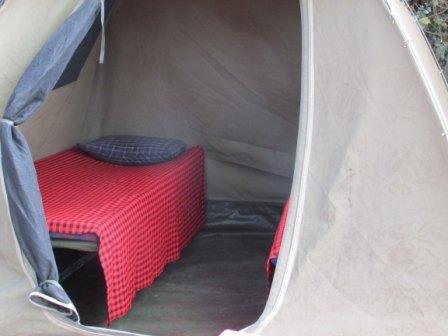
The authentic way to experience the bush. Your crew sets up camp in designated sites inside the national parks, with full catering, comfortable sleeping tents, and a campfire under the African sky. Available from 3 to 13 days, covering every major park in the northern, southern, and western circuits.
The tours and safaris you find on these pages are only a selection of what we offer. Every itinerary can be customised to your interests and pace.
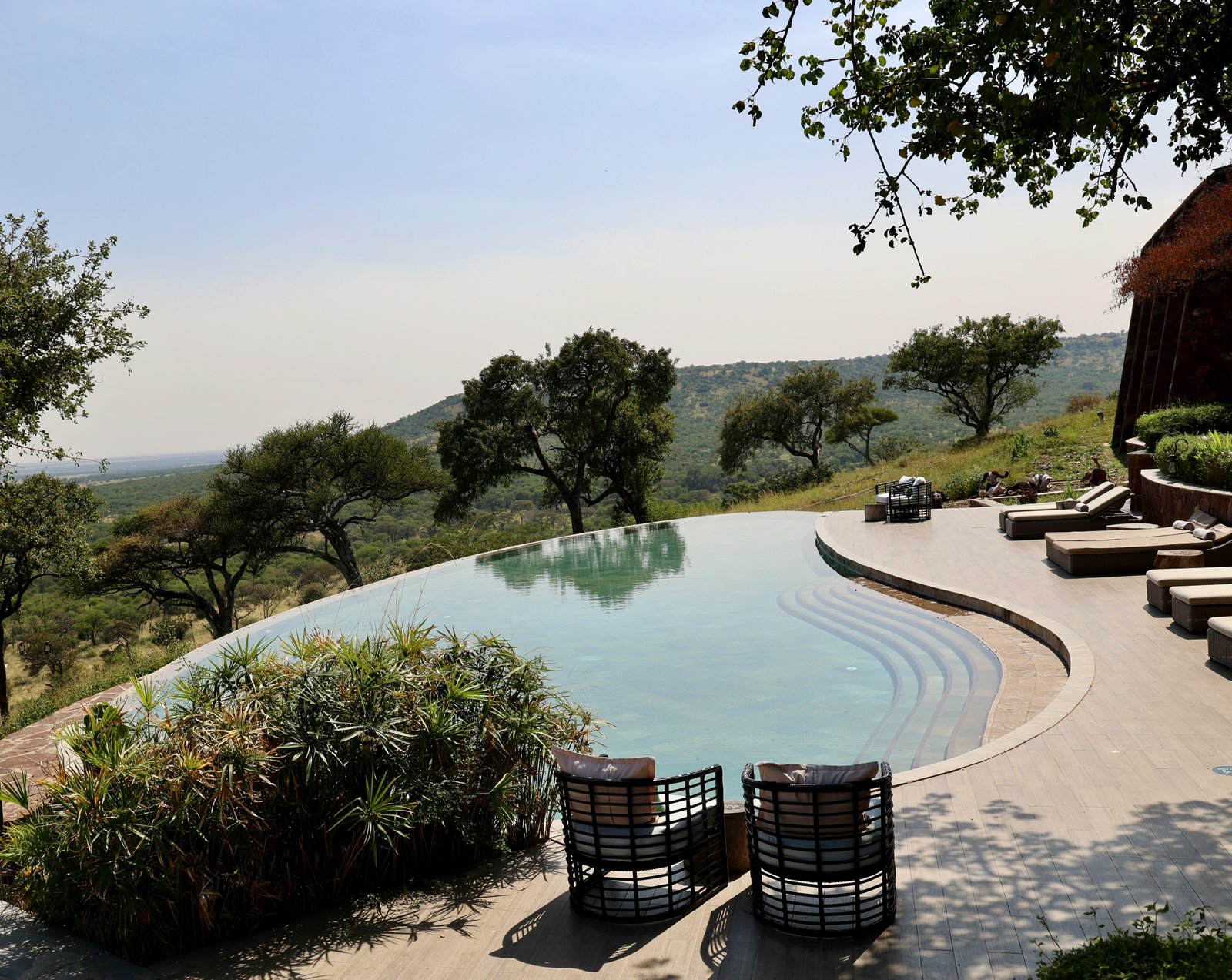
Experience Tanzania's finest parks while returning each evening to handpicked lodges. Our 3-day sample itinerary takes in Tarangire, Lake Manyara, and the Ngorongoro Crater, with stays at Tarangire Safari Lodge, Kudu Lodge, and Ilboru Safari Lodge.
Optional add-ons include night game drives in Tarangire ($120 per person) and guided bush walks ($80 per person).
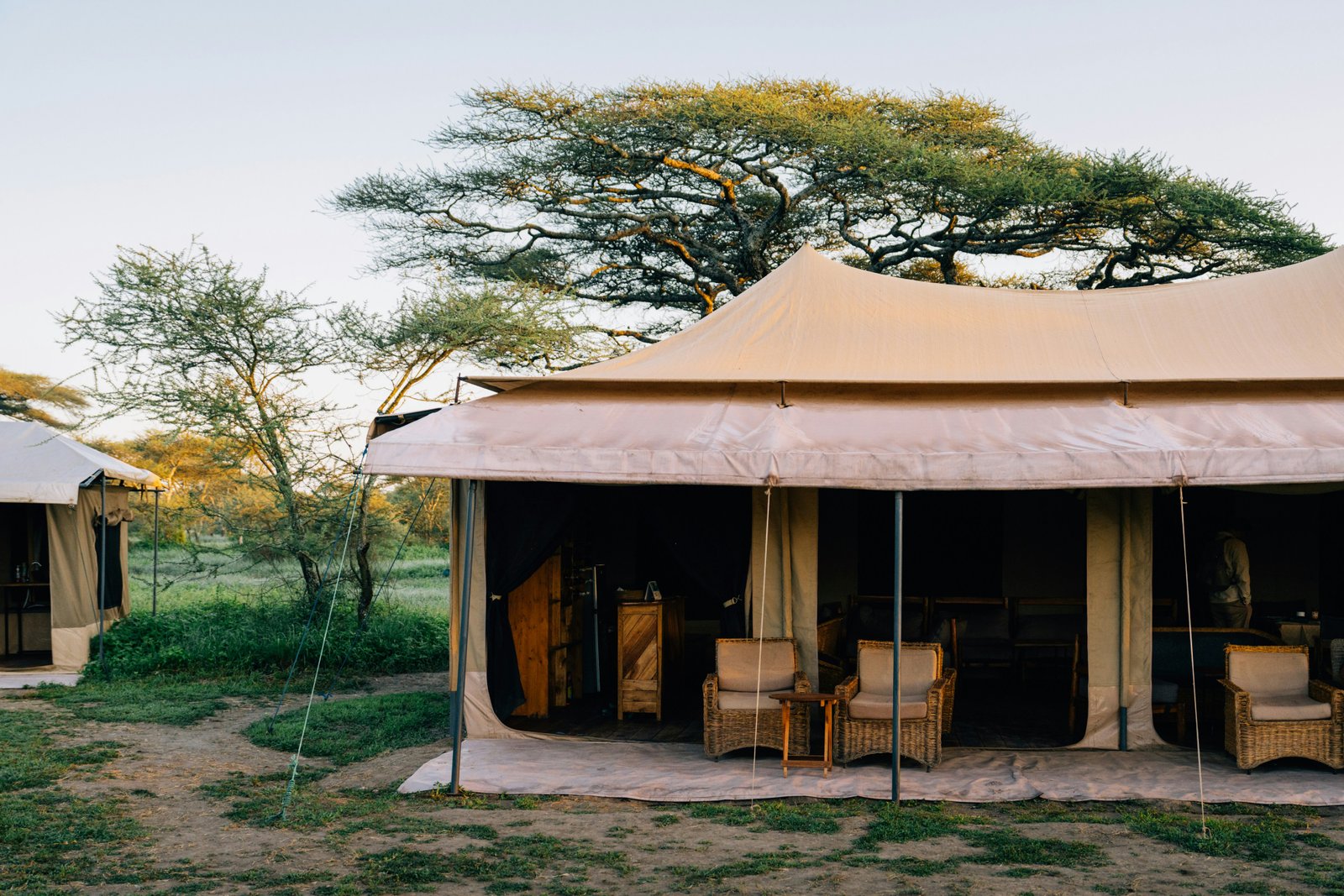
The best of both worlds. Exclusive tented camps placed in prime wildlife viewing areas offer lodge-level comfort with the intimacy of a bush setting. Private verandas, en-suite facilities, and full-service dining — all within earshot of the African night.
Available in the Serengeti, Ngorongoro Conservation Area, and Tarangire, with durations from 3 to 10 days.
Request ItineraryOur most popular short safari, covering three iconic parks with luxury lodge accommodation and all meals.
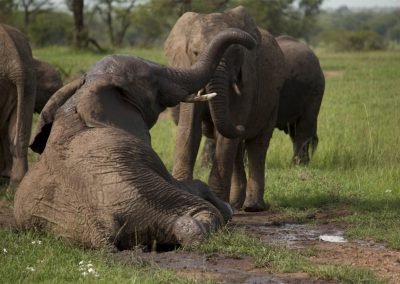
After an early start, we drive to Tarangire — famous for its many elephants and ancient baobab trees. Full day of game driving through open savannah and riverine habitat. Overnight at Tarangire Safari Lodge. Meals: breakfast, lunch, dinner.
Game drive along the bottom of the western wall of the spectacular Great Rift Valley. Look for tree-climbing lions, hippos, and flamingos along the lakeshore. Overnight at Kudu Lodge or Kirurumu Tented Lodge. Meals: BLD.
A UNESCO World Heritage Site — we spend the maximum six hours allowed game driving in the world's largest caldera amongst circa 30,000 resident animals, including the endangered black rhino. Return to Ilboru Safari Lodge. Meals: BLD.
All prices per person, inclusive of VAT, park fees, full board accommodation, and transfers.
| Participants | Price (USD pp) |
|---|---|
| 1 person | $2,370 |
| 2 persons | $1,495 |
| 3 persons | $1,275 |
| 4 persons | $1,166 |
| 5 persons | $1,100 |
| 6 persons | $1,075 |
| 7 persons | $1,025 |
| Single supplement | $200 |
Tanzania's national parks span four circuits. We operate across all of them.
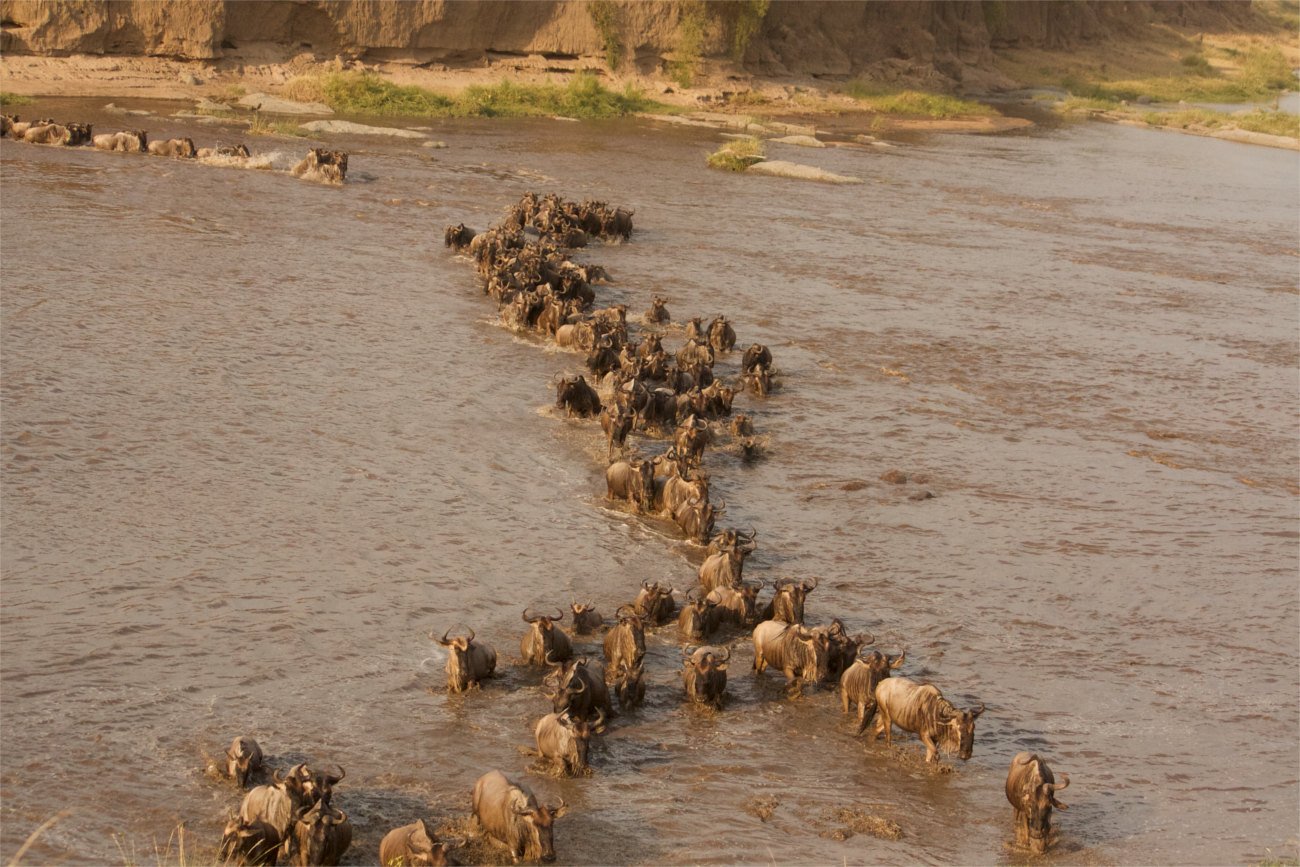
14,760 km² of endless plains. Home to the Great Migration — over 1.5 million wildebeest and 300,000 zebra. Over 500 bird species. Four distinct habitat zones from open grassland to acacia woodland.
Read more ↓
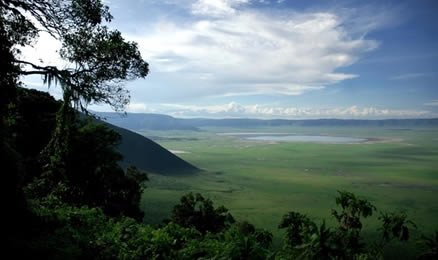
The world's largest unbroken volcanic caldera, covering 259 km² with walls over 600 metres high. Home to 30,000–40,000 animals year-round, including the endangered black rhino.
Read more ↓
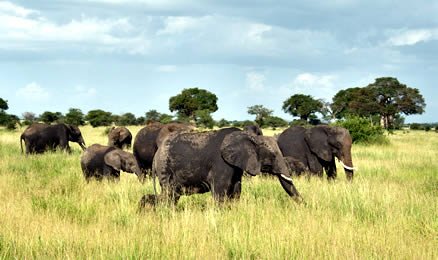
Famous for vast elephant herds and ancient baobab trees. Night game drives available ($120pp). Bush walks with armed ranger ($80pp). A quieter alternative to the Serengeti with superb birdlife.
Read more ↓
Set along the dramatic western wall of the Great Rift Valley. Known for tree-climbing lions, flamingo-lined shores, and over 400 bird species. Compact and diverse.
Read more ↓
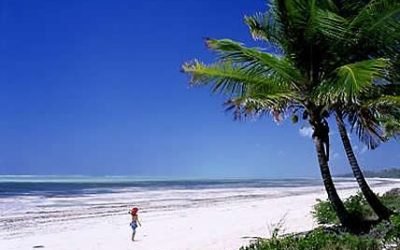
The Spice Island — 23 miles off the coast. White sandy beaches, Stone Town's UNESCO heritage, spice plantations, and warm Indian Ocean waters. Budget and luxury packages available.
Read more ↓
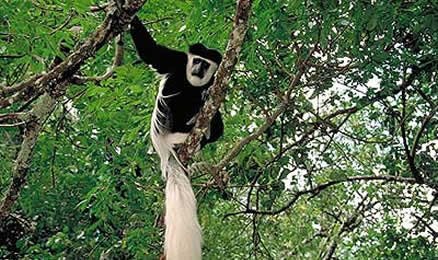
Just 40 minutes from Arusha, home to the rare black-and-white Colobus monkey, the Momella Lakes, and stunning views of both Mt Meru and Kilimanjaro.
Read more ↓Off the beaten track — Ruaha, Selous, Katavi, Mahale, and Gombe. Chimp trekking, walking safaris, and remote wilderness. For experienced travellers seeking fewer crowds.
The dry season from June to October offers the best game viewing as animals gather around water sources. The Great Migration crosses the Serengeti from July to September. January and February is calving season in the southern Serengeti — also spectacular. Green season (March to May) is quieter with lower rates and lush landscapes.
All safaris include airport transfers, park and ranger fees, 4x4 transport with an English-speaking driver-guide, full board accommodation, and flying doctors emergency evacuation service. Not included: personal items, alcohol, tips, laundry, souvenirs, and airport taxes.
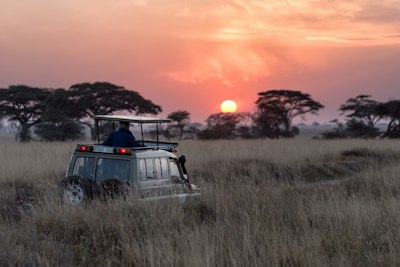
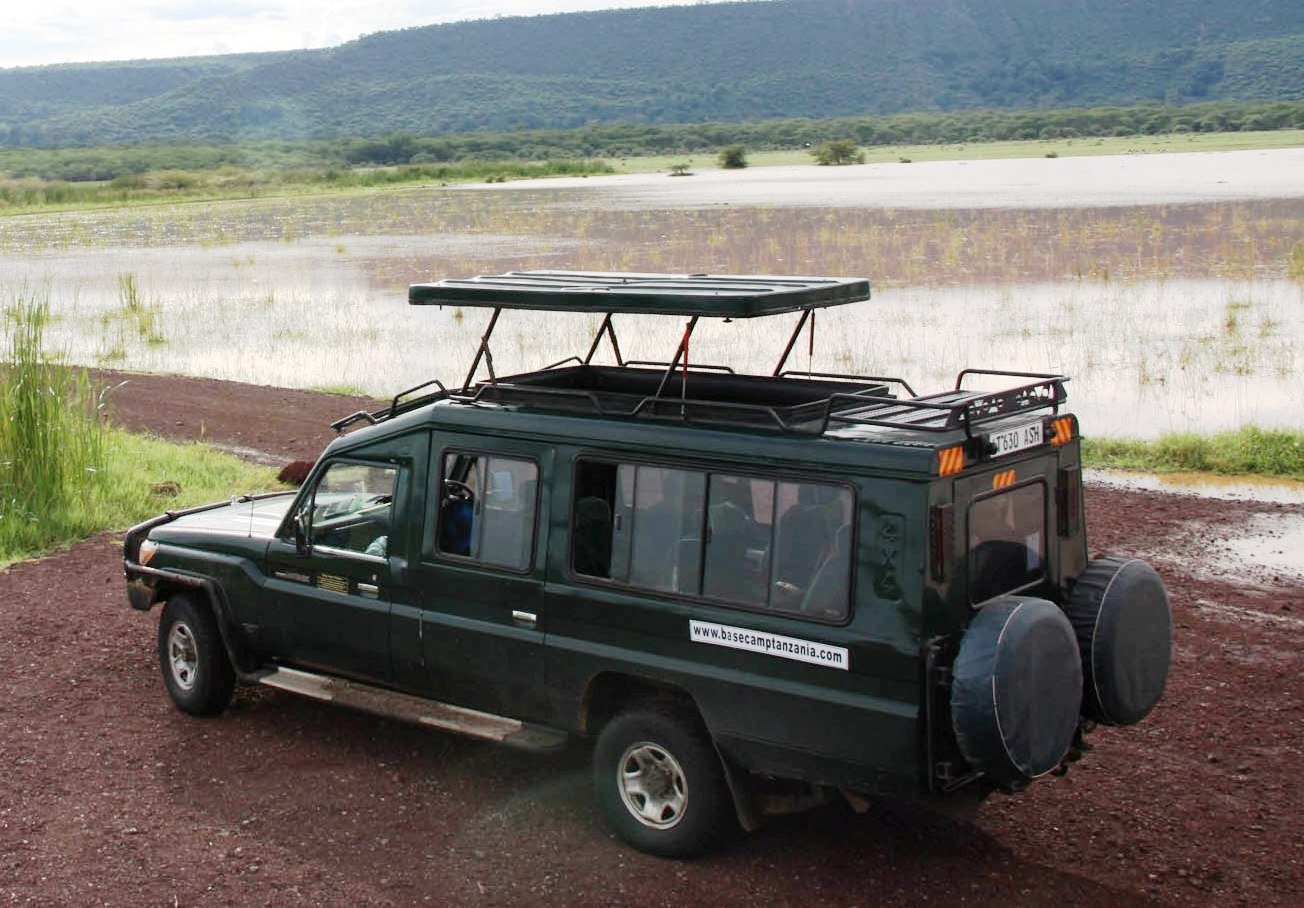
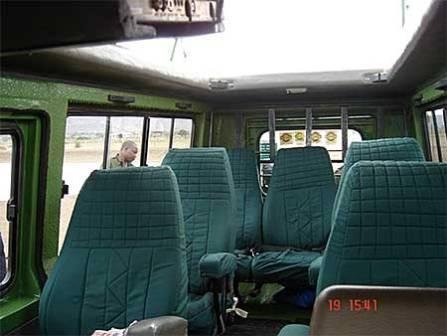
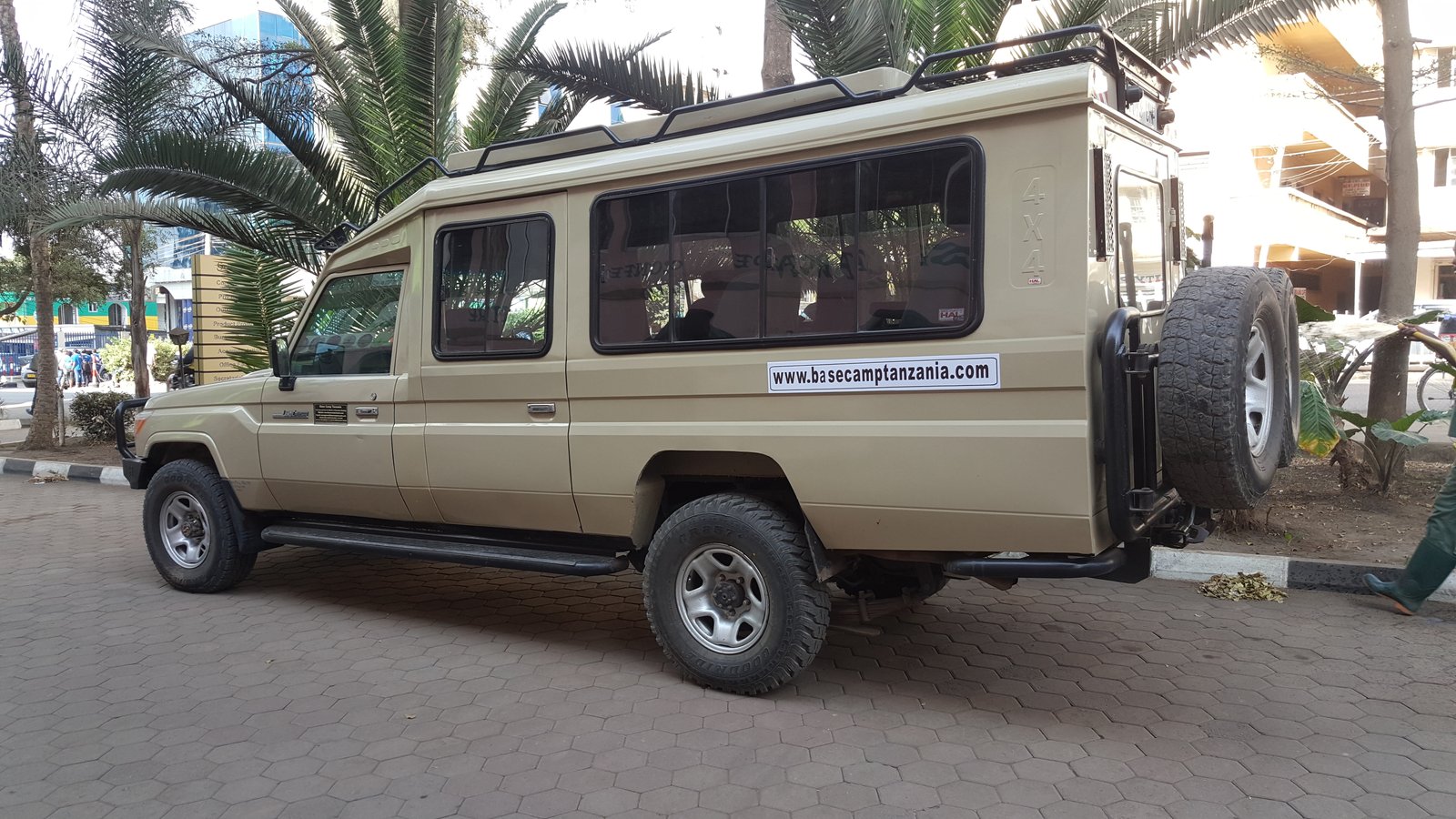
Our Toyota Landcruisers seat a maximum of 7 passengers. Each vehicle has a pop-up roof for 360-degree game viewing, an inverter with 220V charging, and an onboard refrigerator. We keep groups small for a personal experience.
Most nationalities require a tourist visa, which can be obtained on arrival at Kilimanjaro International Airport or applied for online in advance. We recommend applying online to save time at immigration. Your passport must be valid for at least six months beyond your travel dates.
Absolutely. Many of our clients combine a wildlife safari with a Kilimanjaro climb or a Zanzibar beach extension. We offer both budget and luxury Zanzibar packages. Contact us and we'll design a combined itinerary that fits your schedule and budget.
Light, neutral-coloured clothing, a warm layer for early mornings, sun hat, sunscreen, insect repellent, binoculars, and a camera. For camping safaris, we provide tents and sleeping mats. See our full packing list for a detailed guide.
Tanzania's national parks are grouped into four distinct circuits. We operate across all of them, though most visitors begin with the Northern Circuit — home to the country's most iconic parks.
The most popular and accessible circuit, centred on Arusha and easily reached from Kilimanjaro International Airport. The Northern Circuit includes the Serengeti, Ngorongoro Crater, Tarangire, Lake Manyara, and Arusha National Park. These parks can be combined into itineraries from 3 to 13 days, and between them they offer the full spectrum of East African wildlife — from the Great Migration to tree-climbing lions, vast elephant herds, and the endangered black rhino.
Most of our safaris operate on this circuit, and it is where we have the deepest expertise. Our guides know every waterhole, every crossing point, every lion pride territory. We can tailor an itinerary for first-time visitors or for seasoned safari travellers looking to go deeper.
The Southern Circuit offers a wilder, more remote safari experience for travellers who have done the northern parks and want something deeper. The vehicle tracks are quieter, the camps more intimate, and the sense of genuine wilderness is palpable. This is safari as it was thirty years ago — unhurried, uncrowded, and rich with surprise.
Nyerere is Africa's largest protected area, covering over 50,000 square kilometres — larger than Switzerland. Established as a game reserve in 1922, it was renamed in 2019 in honour of Tanzania's founding president, Julius Nyerere. The northern sector, which is open to photographic safaris, centres on the Rufiji River and its network of lakes, channels, and floodplains.
The wildlife is outstanding. Nyerere holds one of the largest concentrations of elephant in Africa, along with significant populations of lion, leopard, wild dog, hippo, crocodile, and buffalo. The endangered African wild dog is seen here with a frequency unmatched anywhere on the northern circuit. Boat safaris on the Rufiji are a highlight — drifting silently past pods of hippo, basking crocodiles, and flocks of waterbirds while fish eagles call overhead. Walking safaris with armed rangers are another speciality, offering a level of intimacy with the bush that no vehicle can match.
Ruaha is Tanzania's largest national park, covering over 20,000 square kilometres of rolling hills, baobab-studded plains, and dramatic gorges carved by the Great Ruaha River. It sits at the crossroads of East and Southern African ecosystems, which gives it an unusually diverse wildlife population — species from both regions overlap here, including both greater and lesser kudu, sable antelope, and roan antelope alongside the more familiar lion, leopard, elephant, and giraffe.
Ruaha is famous for its large lion prides and its elephant herds, which are among the most impressive in East Africa. The dry season, from June to November, concentrates animals along the river in extraordinary numbers. The birdlife is equally rich, with over 570 species recorded — more than any other Tanzanian park.
Accommodation ranges from simple bush camps to exclusive luxury lodges, and the park's remoteness means you may share a sighting with only one or two other vehicles — or none at all.
Enquire About Southern Circuit SafarisThe Western Circuit is Tanzania's most remote and least-visited safari region — and for those willing to make the journey, it offers experiences found nowhere else on the continent. This is the land of chimpanzees, vast herds of buffalo, and Lake Tanganyika's crystal-clear waters.
Mahale is one of the finest places in the world to trek wild chimpanzees. The park protects approximately 800 chimpanzees in the forested mountains that rise steeply from the eastern shore of Lake Tanganyika. The habituated Mimikire community, studied by Japanese primatologists since the 1960s, allows remarkably close encounters — sitting quietly among a family group of chimps as they groom, play, and forage in the forest canopy is an experience of extraordinary intimacy.
Beyond the chimps, Mahale's forests harbour eight other primate species, including red colobus and red-tailed monkeys. The setting is spectacular: pristine white-sand beaches, forested peaks rising to 2,462 metres, and water so clear you can see the cichlid fish in the shallows from the shore. Access is by light aircraft and boat — there are no roads into Mahale, which is part of its magic.
Gombe is Tanzania's smallest national park, but its fame is immense. This is where Jane Goodall began her pioneering research into chimpanzee behaviour in 1960 — work that has continued unbroken for over six decades and fundamentally changed our understanding of primates. Today, around 100 chimpanzees live in the park's steep forested valleys along the shore of Lake Tanganyika.
Visitors can trek with habituated chimp groups accompanied by experienced guides and researchers. The forest walks are steep but rewarding, and the combination of world-class primate encounters with the history of Goodall's research gives Gombe a unique atmosphere. It is a pilgrimage for wildlife enthusiasts.
Katavi is raw, unfiltered Africa. Tanzania's third-largest national park, it covers 4,471 square kilometres of floodplains, dense woodland, and seasonal lakes in the remote southwest. During the dry season, the Katuma River and its associated pools become one of the greatest wildlife spectacles in Africa: hundreds of hippos packed into shrinking pools, enormous herds of buffalo numbering in the thousands, and the predators that follow them — lion, leopard, and hyena in impressive numbers.
Katavi receives fewer than a thousand visitors per year. For the traveller willing to embrace a longer journey and simpler logistics, it delivers a safari experience of rare authenticity — the feeling of witnessing wild Africa as the early explorers did, without another soul in sight.
Enquire About Western Circuit SafarisThe Coastal Circuit takes in the island of Zanzibar, Mafia Island, and the coastal reserves. While not a traditional safari circuit, it offers outstanding marine wildlife — whale sharks, sea turtles, and vibrant coral reefs — alongside the cultural riches of Stone Town and the spice plantations of Zanzibar's interior.
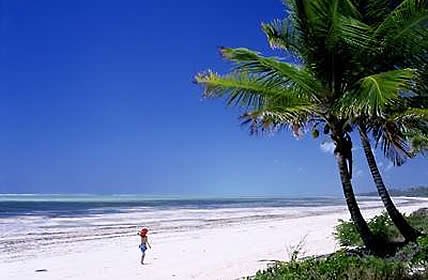
Many of our clients choose to follow their mainland safari with a few days on Zanzibar — and it is easy to see why. The island lies just 23 miles off the coast, a short flight from Arusha or the Serengeti, and offers a completely different pace: white sand beaches, warm turquoise water, and the intoxicating atmosphere of Stone Town's UNESCO World Heritage streets.
We offer both budget and luxury Zanzibar extension packages, typically of three to five nights. Budget options include comfortable beachside guesthouses and B&Bs. Luxury options range from boutique Stone Town hotels to world-class beach resorts with private pools and spa facilities.
Popular activities include spice plantation tours, Stone Town walking tours, snorkelling and diving on the coral reefs, dolphin watching at Kizimkazi, and visits to the Jozani Forest to see the rare red Kirk's Colobus Monkey — found nowhere else on Earth.
Every itinerary is tailored. Tell us your dates, interests, and budget — we'll handle the rest.
Get a Custom Quote